Blog
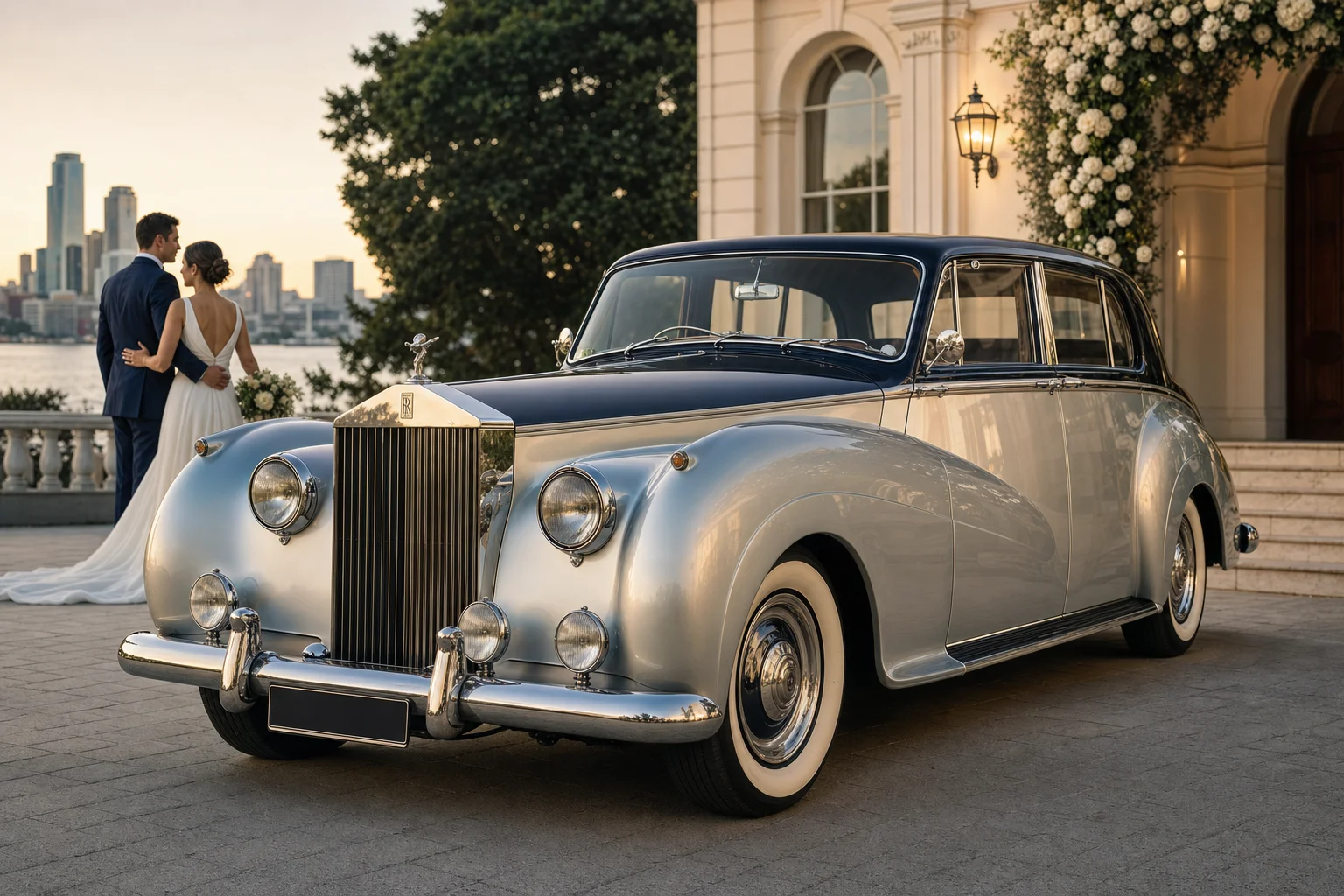
A 1957 Rolls-Royce Silver Wraith merits comparison on five grounds: chassis identity, coachwork, mechanical specification, condition and dated price evidence. Its registration year or appearance alone cannot settle these questions. Two cars bearing the same model name can have different bodies, seating layouts and restoration needs. Neither an attractive photograph nor an asking price establishes authenticity or value. Therefore, assess each 1957 Rolls Royce Silver Wraith against its own records.
For a purchase decision now, old advertisements and broad model-year search results need careful separation from current evidence. A listing can remain visible after a sale, while a registration date can differ from a chassis completion date. The useful comparison starts with the individual car, not the model badge.
The available material does not contain the individual advertisements, factory records or auction results needed to populate a factual comparison of multiple 1957 cars. The identifier FLW49 appears in the draft material, but without supporting records it cannot establish a candidate’s year, coachwork, equipment, condition or price. It is therefore not presented as a documented 1957 example.
That distinction prevents a common comparison error: combining details from different cars into one apparently complete specification. For instance, a cream leather interior, automatic transmission and overseas location may each describe separate vehicles. Without a shared chassis identifier, those details cannot form a trustworthy individual vehicle summary.
No individual candidate can be preferred on the evidence available here.
No source-backed dated asking amount or completed-sale result for a chassis-identified 1957 example is available in the supplied material. Consequently, this page cannot establish an asking-versus-realised price comparison or a defensible market range. Quoting a specific amount, sale date or fee treatment without the underlying record would create price evidence rather than report it.
A dated asking price records the seller’s expectation. A completed sale records a transaction, although fees, currency and the condition at sale still affect its usefulness. For a usable comparison, each amount must identify the chassis, stated model year, advertisement or sale date, currency, body style and condition at that date. Auction results also need an explicit distinction between hammer price and a total including buyer’s premium; if fee treatment is unstated, it remains unconfirmed.
A withdrawn advertisement, an expired listing and an auction marked unsold are not completed sales. An older sale of a restored car also cannot establish the current value of a project car simply because both carry the same model name. Record any restoration or deterioration between observations before treating two prices for the same chassis as evidence of a market movement.
A price becomes useful evidence only when it stays attached to the car, its condition and the date of the transaction.
Price-status boundary: An asking price does not become a sale result because an advertisement disappears. Require a documented transaction before calling the amount achieved.
Neighbouring-year evidence must remain separate: a 1951 Silver Wraith sale is background evidence, not a completed sale of a 1957 example. Silver Cloud and Silver Wraith II results concern different models and must not be included in an exact-year Silver Wraith price range.
Compare the closest bodies and conditions first, then consider differences in steering position, location and restoration quality. Avoid assigning unsupported percentage premiums to coachbuilders or rare features. The strongest price evidence is a recent, documented sale of a closely comparable car, not the highest visible advertisement.
Verify a 1957 Rolls-Royce Silver Wraith by matching its stamped chassis identity to factory records, ownership documents and dated maintenance records. Registration paperwork alone does not establish when the chassis or coachbuilt body reached completion. Also check that the seller has authority to transfer the vehicle and that the documents describe the car being inspected.
A chassis number identifies the underlying vehicle; a coachbuilder’s body number identifies its separately constructed body. These older cars predate the modern standardised 17-character VIN. Therefore, a short chassis identifier is not automatically suspicious, but mismatched identifiers demand an explanation.
Factory chassis records establish the recorded chassis specification and dates. Meanwhile, coachbuilder records connect the body number, design and completion details. Registration or title documents and transfer records trace recorded ownership, while invoices and restoration photographs support the maintenance history. These records serve different purposes and should agree on the identity of the car.
Mileage needs similar care because an odometer reading does not establish total distance travelled. Additionally, service invoices, inspection records and restoration photographs can explain replacement instruments or long periods off the road. Prefer a 1957 Rolls Royce Silver Wraith with a coherent paper trail over one supported only by a confident description.
Choose Silver Wraith coachwork by its documented body design, passenger layout and condition, rather than by a generic limousine label. Coachwork means the body built around the chassis. Bespoke construction explains why cars from the same year can differ in roofline, doors, luggage space and rear-seat presentation.
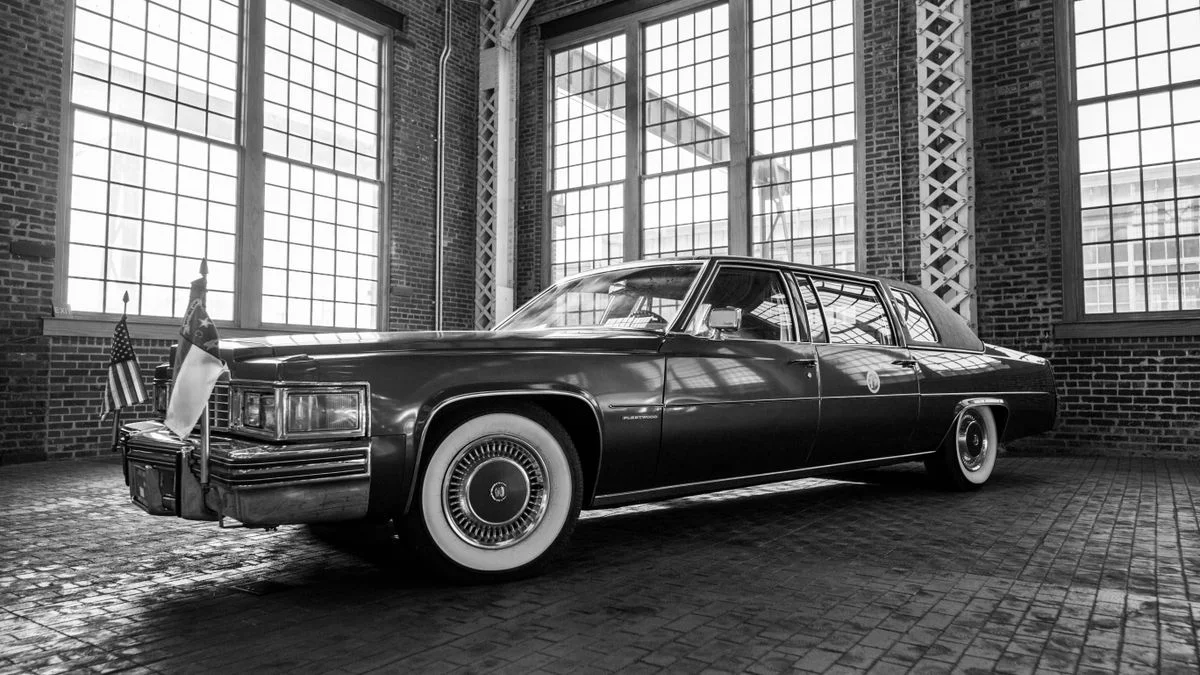
The Silver Wraith belongs to the post-war tradition of buying a luxury chassis and commissioning specialist coachwork. Its appeal therefore rests partly on the relationship between chassis engineering and an individually specified body, rather than on a single standard saloon specification. That context makes coachbuilder records, original layouts and subsequent alterations particularly important when judging an example.
H J Mulliner, Hooper and FREESTONE AND WEBB are relevant coachbuilder names when examining Silver Wraith bodies. However, a badge or seller attribution needs support from a body plate and matching records. A Touring Limousine description should also connect to the actual design, not merely a spacious rear cabin.
Record the exterior colour, interior materials, partition and seat arrangement separately for each 1957 Rolls Royce Silver Wraith. Cream leather interior trim describes appearance, not originality or restoration quality. Furthermore, examine stitching, cushion support, timber finish and evidence of water ingress before treating fresh upholstery as proof of excellent condition.
Seating requires an actual count, especially where folding occasional seats appear. In an illustrative layout, two front seats plus three rear positions plus two occasional positions total seven places. However, that calculation does not confirm any particular car’s approved capacity. Choose the body that suits its intended use without confusing physical seats with permitted passenger numbers.
Confirm the gearbox, steering side and air conditioning through records, photographs and an independent inspection of the individual Silver Wraith. Model-level information cannot establish fitted equipment. The 1957 model’s 4.9 L straight-six engine and rear-wheel drive provide useful background. Nevertheless, they do not verify originality or present mechanical health.
RWD means the engine drives the rear wheels. A manual gearbox requires the driver to operate the clutch and select gears. In contrast, an automatic reduces that workload, particularly in traffic and during low-speed manoeuvres. For ownership, a manual adds clutch operation and wear to the assessment. An automatic, meanwhile, requires particular attention to fluid condition, engagement and shift quality. Neither is inherently the better purchase without evidence of condition and maintenance.
Check gearbox identification, controls, service records and operation from cold through to full operating temperature. Also distinguish any conversion from the factory specification. No individual candidate’s gearbox is confirmed by the available material, so neither manual nor automatic can be assigned to a specific car here.
Right-Hand Drive places the steering wheel on the right; Left-Hand Drive places it on the left. Neither phrase establishes the car’s current country or registration eligibility. For example, an overseas right-hand-drive car still needs transport, import and local compliance checks before an Australian purchase makes sense.
Air conditioning needs more than a dashboard photograph. Establish whether the system is fitted and whether installation records survive. Then check whether it cools the rear cabin during a road test. Prefer confirmed working equipment and a written inspection report over an advertisement’s unchecked equipment list.
For regular use, demonstrated mechanical health and suitable controls matter more than an unverified equipment description.
A 1951 Rolls-Royce Silver Wraith belongs to the original coachbuilt model family. By contrast, the later Silver Wraith II belongs to a different generation. The original Silver Wraith ran from 1946 to 1958. The Silver Wraith II appeared in 1977, so its specifications and sale results cannot stand in for a 1957 car.
The 1957 car’s 4.9 L engine also distinguishes its model-level specification from earlier versions of the original Silver Wraith. Nevertheless, engine changes and replacement components make individual inspection essential. A year in a listing heading cannot settle what remains beneath the bonnet.
Long Wheelbase describes greater distance between the front and rear axles, not a guaranteed number of seats. Accordingly, ask for the chassis specification and body layout rather than inferring either from a limousine silhouette. Two vehicles can offer similar rear legroom yet differ in doors, partitions and luggage access.
The contemporary Silver Cloud is another distinct model, not an alternative name for the Silver Wraith. For visual context, the Silver Cloud hire option provides a separate reference when considering classic wedding-car styles. Keep neighbouring models outside the exact-year comparison unless their different role is explicit.
Build a chassis-specific evidence file before arranging a purchase inspection or negotiating a Silver Wraith price. The file should connect identity, equipment, condition and commercial terms without gaps between vehicles. Missing paperwork does not prove a bad car, but it limits which claims deserve reliance.
Ultimately, the best candidate lets you check identity, condition and commercial terms together. The fullest advertisement does not necessarily offer the strongest evidence.
These answers summarise the key checks before you pursue a purchase or compare individual cars.
The available material provides no verified asking price or completed-sale amount for a chassis-identified 1957 Rolls Royce Silver Wraith. Consequently, it cannot support a price range. Compare dated records that identify the car, currency, condition and fees. An asking price reflects the seller’s expectation, not proof of a completed transaction.
Match the stamped chassis identity with factory records, ownership documents and dated maintenance records. In addition, check the coachbuilder’s body number against body records. Registration alone cannot establish chassis or body completion dates. Mileage also needs supporting invoices or inspection records, because an odometer reading does not prove total distance travelled.
No. A limousine description does not confirm a particular car’s seating capacity. For example, two front seats, three rear positions and two occasional positions total seven physical places. That illustrative layout does not establish approved passenger numbers. Check the actual body, partition, seat arrangement and relevant documentation before relying on a seating claim.
Different buyers should favour different evidence. An originality-focused collector should prioritise matching records and documented body history. Conversely, a regular-use buyer should give greater weight to sound repairs and operating condition. A well-restored car can suit frequent use better than a more original example needing substantial work.
For someone seeking one ceremonial arrival rather than ownership, chauffeured hire is the more direct fit. An established specialist seller, on the other hand, may suit a collector seeking inspection access and a documented purchase. Choose the route that matches the purpose, not merely the appeal of ownership.
The soundest assessment of a 1957 Rolls Royce Silver Wraith keeps each claim attached to one identifiable car. Coachwork explains differences in character, while condition and dated transactions explain differences in value. Without verified individual records or completed-sale evidence, a confident price verdict would overstate what is known.
For a wedding rather than a purchase, enquire about chauffeured Silver Wraith hire in Perth with Allure Limousines. Ask which vehicle is available and confirm its year, seating and itinerary fit before reserving. A model name alone does not establish a 1957 car.
Book Now
Tell us your date and occasion and we will match you with the perfect vehicle and chauffeur.